The K-Museum Boom: Why Museums Became Korea's New Cultural Playground
Museums and galleries are becoming major youth hangouts in Korea, as immersive exhibitions and social sharing push museumgoing into the mainstream.
In Korea today, it is no longer unusual to see long lines outside museums and galleries. In 2025, the National Museum of Modern and Contemporary Art, Korea (MMCA) recorded 3.37 million visitors, the highest annual figure in its history. A 2024 survey on cultural life in Seoul also showed that attendance at performances and exhibitions had risen to 65.2 percent, overtaking moviegoing at 47.9 percent. What people are now calling the “K-museum” boom is becoming a defining feature of Korea’s contemporary leisure culture.
This trend is about more than bigger crowds. It reflects a broader shift in what museums and galleries mean to younger audiences. They are no longer seen only as quiet places to contemplate art. Increasingly, they function as cultural playgrounds: spaces to explore, photograph, share, and experience with friends. Observers of Korea’s arts scene have pointed out that museums are evolving into platforms for experiential content, not just places that display objects. With hashtags such as #museumtour and #exhibitionrecommendation circulating widely online, visiting an exhibition has become part of everyday lifestyle culture.
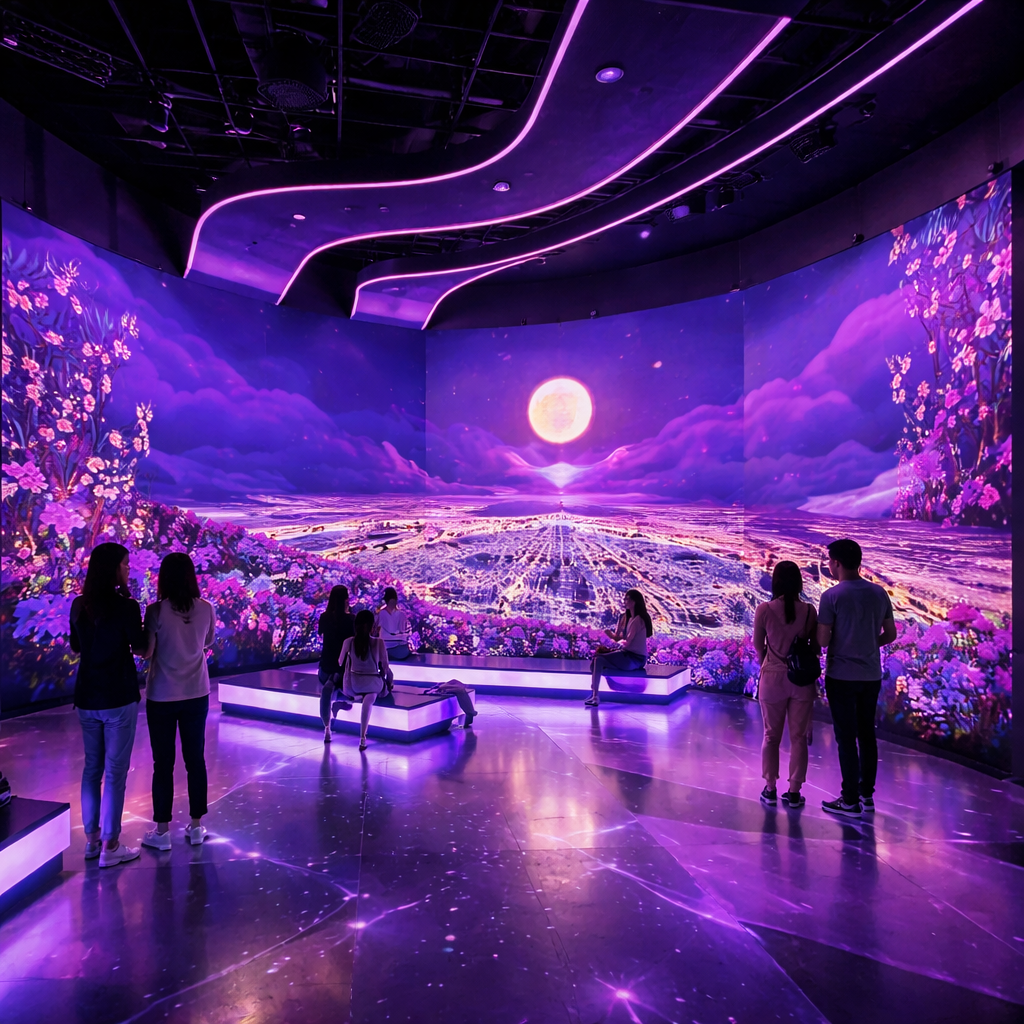
One of the clearest examples came in 2025, when MMCA Seoul hosted an exhibition by Australian sculptor Ron Mueck. Over the course of 90 days, the show drew 533,035 visitors, averaging more than 5,600 people a day, with Saturdays drawing well over 10,000. About 73 percent of visitors were in their twenties and thirties, and the exhibition catalog and merchandise sold so quickly that museum membership subscriptions reportedly increased severalfold. Scenes of young visitors filling the museum week after week made it clear that museums had become one of the most visible cultural hotspots for Korea’s younger generation.
The momentum at MMCA was not limited to a single blockbuster show. In 2025, both the Seoul and Cheongju branches recorded their highest attendance since opening, and 63.2 percent of total visitors were in their twenties and thirties. More visitors began using the museum’s app to check crowd levels in real time and plan their route through the galleries, while the institution’s social media following climbed past 1.52 million. Even permanent exhibitions at the Seoul and Gwacheon branches drew strong turnout, suggesting that this was not simply hype around one exhibition but a broader change in museum-going habits.
The National Museum of Korea and its network of 13 affiliated national museums saw a similar surge. In 2025, the National Museum of Korea welcomed more than 6.5 million visitors, while the combined total for national museums across the country reached 14.7 million. That places Korea’s museum attendance on a scale comparable to some of the world’s best-known museum systems. Exhibitions that connected traditional heritage with contemporary popular culture helped broaden the audience, and museum-developed merchandise and design goods also became a major source of revenue, showing how museums are increasingly participating in a wider cultural consumer market.
Several forces are driving this boom. One is the shift in leisure habits after the pandemic. As cinema attendance declined and more film viewing moved to streaming platforms at home, exhibitions and performances offered something that could not be replicated on a screen: the experience of moving through a real space and engaging the senses. Survey data in Seoul suggest that cultural outings have not only recovered from the pandemic period but have surpassed earlier levels, with the gap between exhibitions and moviegoing continuing to widen.
Another factor is the growing appeal of museum architecture and spatial design. In Korea, many museums and art spaces have become landmarks in their own right, whether through striking contemporary architecture or the creative reuse of older buildings. Spaces such as the Seoul Museum of Craft Art or newly opened art venues in historic neighborhoods are often visited as much for the setting as for the exhibitions themselves. Museum SAN in Wonju is another example, known for the way it combines architecture, landscape, and art, and for expanding its international profile through major permanent installations. In the social media era, the space itself often becomes part of the attraction.
As museums become more embedded in everyday lifestyle culture, they are also generating new services and new frictions. Most national museums and many public art museums still offer free admission, but some special exhibitions and international shows now charge entry fees. High-demand exhibitions increasingly use advance reservations and timed-entry systems, which can make spontaneous visits more difficult. Audio guides in English, Chinese, and Japanese are available at some institutions, but multilingual support still varies from exhibition to exhibition. For overseas visitors, these practical details can shape the overall experience just as much as the art itself.
The neighborhoods around major museums are changing as well. Stylish cafes, design shops, and museum stores have become part of the ecosystem, and brands frequently collaborate with major exhibitions to create new products and marketing tie-ins. Visitors do not simply see a show and leave. They buy art books, pick up merchandise, share photos online, and in doing so help drive the next wave of visitors. What began as a cultural trend is increasingly shaping urban economies and consumption patterns.
In the end, the K-museum boom says something larger about how art is being consumed in Korea today. For younger audiences, museums have become places for experience, self-expression, and social connection, not just education. In response, institutions are investing more in immersive exhibitions, branded goods, digital services, and membership programs. If the current momentum continues, the shift from cinema to museum as a preferred cultural outing may become one of the defining lifestyle changes of this moment. For international travelers, visiting one or two of Korea’s major museums can offer a surprisingly clear window into where Korean culture is heading now.