Why Seongsu-dong Became Seoul's Trendiest Neighborhood
Seongsu-dong transformed from an industrial district into one of Seoul's top trend hubs, known for pop-ups, flagship stores, and stylish cafes.
Over the past few years, Seongsu-dong has emerged as one of Seoul’s most talked-about destinations. Often dubbed “the Brooklyn of Seoul,” the neighborhood has transformed from a semi-industrial zone filled with shoe makers and printing shops into a hotspot for fashion, beauty, and lifestyle culture. What was once known for factory smokestacks is now lined with pop-up signs, concept stores, and cafes that draw a steady stream of locals and international visitors alike.
Seongsu-dong is located in Seongdong-gu, on the northeastern side of Seoul. From Seongsu Station on Subway Line 2, it takes only a few minutes on foot to reach Yeonmujang-gil, the area’s best-known main street. In the late 2010s, as older workshops and factories began to leave, brands and creative businesses moved in, attracted by the district’s spacious industrial buildings, high ceilings, and flexible layouts. Those features made Seongsu especially well suited for large-scale pop-ups, exhibitions, and immersive retail spaces.
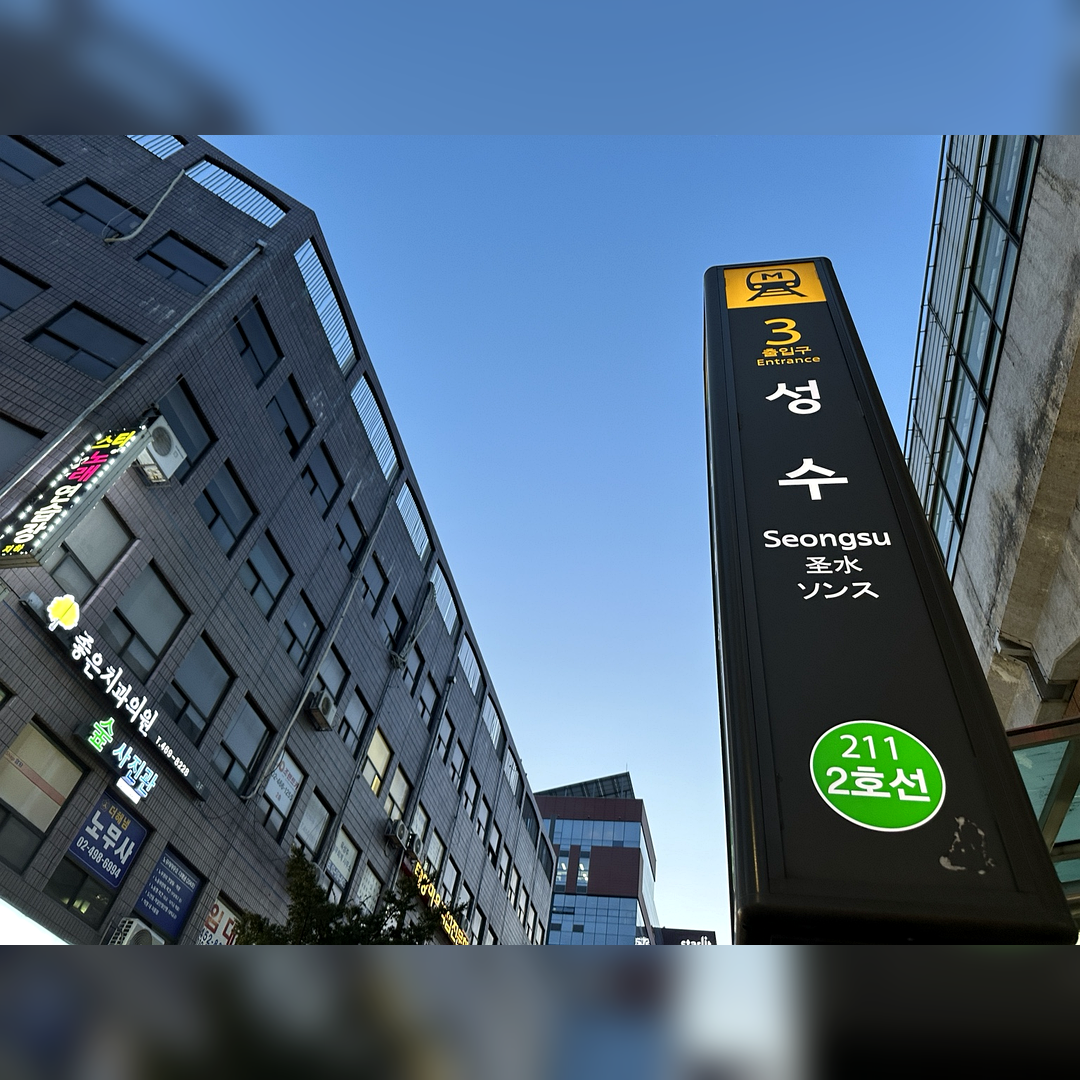
That physical setting helps explain why Seongsu became such a natural home for pop-up culture. For younger consumers eager to discover new products before everyone else, the neighborhood offers the thrill of being first. Brands launch limited-time spaces packed with photo zones, hands-on experiences, and exclusive merchandise, while visitors line up to document the experience on social media. The result is a feedback loop of attention and visibility that keeps Seongsu at the center of Seoul’s fast-moving trend cycle.
There is also a structural reason the area has held onto its appeal. Former industrial buildings provide the kind of scale and openness that many other popular neighborhoods simply cannot offer. At the same time, Seongdong District has been noted for taking a more active approach to managing gentrification, with policies aimed at preventing runaway rent hikes and preserving the area’s local character. That has helped Seongsu avoid becoming a generic strip of chain stores and has allowed independent businesses and distinctive concepts to remain part of the neighborhood’s identity.
The makeup of visitors has changed dramatically as well. Seongsu is no longer just a weekend destination for Seoul residents. It has become a must-visit stop for travelers who want to experience a side of Seoul beyond the traditional tourist corridors. For many visitors, the neighborhood now fits naturally into a full day itinerary: a walk through Seoul Forest, a coffee break at a design-forward cafe, browsing select shops and lifestyle stores, and stopping by a flagship space or seasonal pop-up along the way.
What makes Seongsu especially appealing is that it offers more than shopping. It is built around experience. Places such as Olive Young N Seongsu have turned beauty retail into something interactive, with photo booths, product testing, personal color consultations, and other hands-on programs that encourage people to stay, not just buy. Food and drink spaces in the area are curated in a similar way, often changing with the season and giving visitors the sense that each trip might reveal something new.
Pop-ups are only part of the story. Concept stores and cultural venues have become just as important to Seongsu’s image. Fashion, beauty, and eyewear brands have opened immersive spaces that blur the line between showroom, gallery, and social media backdrop. Cafes double as branded environments, and flagship stores often feel more like exhibitions than traditional retail. In Seongsu, consumption is packaged as discovery, and that sense of novelty is a big part of the neighborhood’s global appeal.
There are a few practical points international visitors should keep in mind. Seongsu is not in the historic center of Seoul, so it helps to check the subway or bus route in advance. Popular pop-ups can also require reservations or involve long waits, especially on weekends. Even so, visiting is usually manageable with a bit of planning, and many places offer either walk-in options or simple sign-up systems.
Another thing to remember is that Seongsu changes quickly. A cafe that is popular one month may be replaced by a new concept not long after, and pop-ups can disappear within weeks. That constant turnover is part of what makes the area exciting, but it also means it is worth checking the latest information before visiting. Social media, map services, and local tourism platforms are often the best way to confirm opening dates, locations, and reservation details.
In the end, Seongsu-dong represents a larger shift in how Seoul presents itself. It is a neighborhood where old industrial space has been repurposed into a stage for culture, branding, and lifestyle experimentation. Pop-up culture, local policy, and social media have all played a part in that transformation. Visiting Seongsu today is not just about seeing another trendy district. It is about getting a firsthand look at how contemporary Seoul is reinventing itself in real time.