The Bomdong Bibimbap Craze: How an Old Kang Ho-dong Clip Turned a Seasonal Dish Into a Healthy Food Trend
Bomdong bibimbap became a spring food trend in Korea as social media and an old Kang Ho-dong clip pushed the seasonal dish into the healthy-eating spotlight.
Every time a new food trend arrives in Korea, the map of what people want to eat changes fast. As the earlier dessert craze around “ddujjonku” began to cool, attention shifted almost overnight to something much greener: bomdong bibimbap, a bowl of rice covered with a generous pile of fresh spring cabbage. In early March, Korean restaurant circles and online communities were suddenly full of posts saying bomdong had sold out, while home cooks flooded social media with easy seasonal versions they had made themselves. So how did this simple-looking dish suddenly become the food of the moment?
Bomdong bibimbap is, at its core, a rice bowl mixed with bomdong geotjeori, a lightly seasoned fresh kimchi-style salad made with young spring cabbage. Unlike a classic bibimbap, which usually features a range of colorful toppings, this version is visually dominated by one ingredient: pale green bomdong leaves layered across the bowl. Many versions add a soft egg yolk or perilla oil, which strengthens its image as a light, wholesome meal. On social media, the same visual keeps repeating: a metal bowl heaped with greens, a spoonful of red pepper sauce, and the final mixing shot done by hand.
Bomdong itself is a young napa cabbage planted in winter and harvested in early spring. It is grown especially along Korea’s southwestern coast, including places such as Jindo, Wando, and Haenam, and is usually harvested from December through March. Unlike tightly packed napa cabbage, bomdong grows in a looser, flower-like shape, which gives it a crisp bite and a noticeably sweeter taste. Some market reports say that more than 90 percent of the bomdong entering Seoul’s Garak wholesale market comes from South Jeolla Province, and that the sweetest and most popular produce is harvested between January and March. For overseas readers, the simplest way to think of it is as a spring variety of Korean cabbage that is especially valued for being tender and fresh.
Bibimbap, meanwhile, literally means “mixed rice.” It is a traditional Korean dish in which rice is topped with vegetables, meat, egg, or other ingredients and mixed with a seasoned red pepper sauce. Over time, it has developed many regional and seasonal variations, from vegetable-only versions to more elaborate modern interpretations. Bomdong bibimbap stands out because it puts one seasonal vegetable at the center, rather than treating it as just one topping among many.
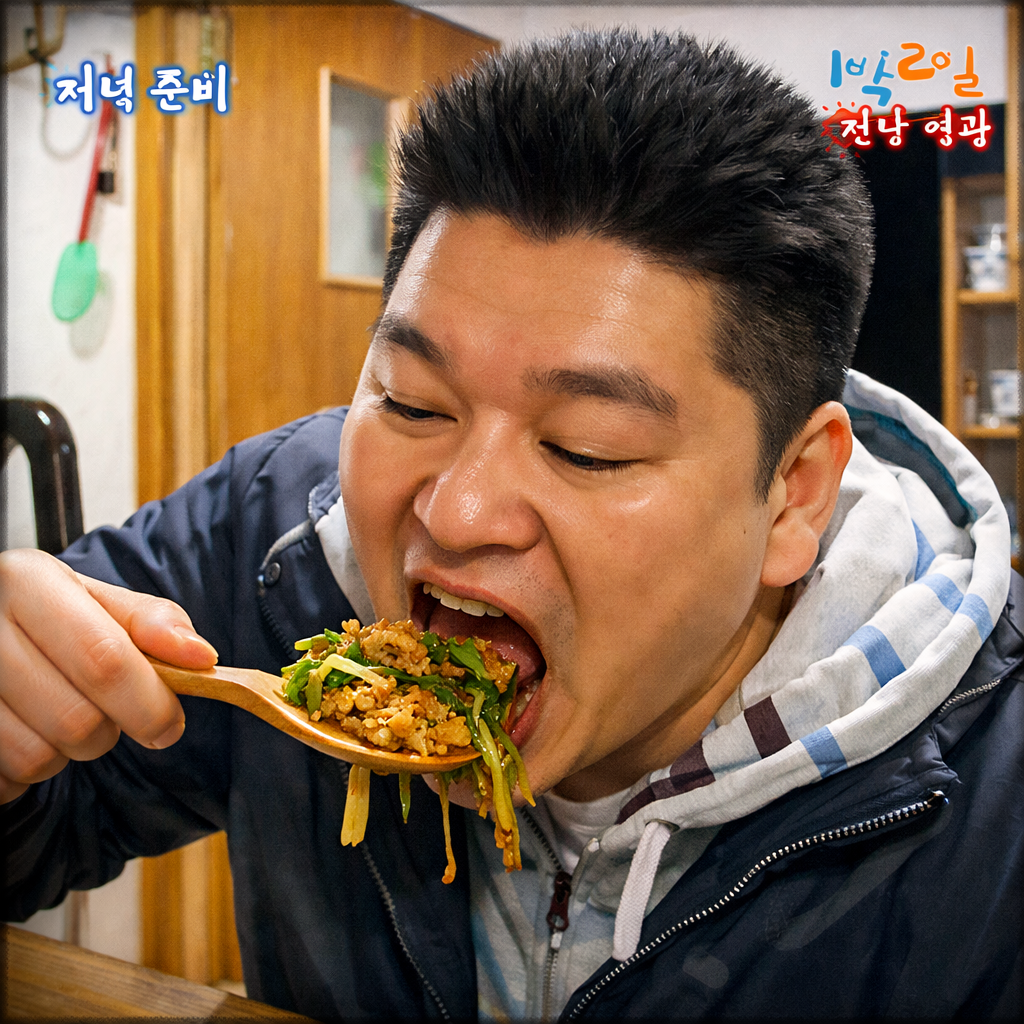
The immediate spark for the current craze came from an unexpected place: an old variety show clip. In a 2008 episode of KBS’s “2 Days & 1 Night,” entertainer Kang Ho-dong was shown mixing bomdong geotjeori with rice and exclaiming that it tasted better than meat. The clip, nearly two decades old, was recently recut for short-form platforms and quickly racked up millions of views. Once that moment collided with meme culture and MZ-generation nostalgia, bomdong bibimbap was transformed from an older, familiar dish into a suddenly “hot” menu item.
The numbers suggest just how fast the shift happened. According to data from the analytics platform Sometrend, online mentions of “bomdong” were hovering around 200 in late February, then climbed to around 700. On Google Trends, interest in the search term “bomdong bibimbap” rose sharply from mid-February and hit an index score of 100 on February 26. Korean media described the same moment as the point when search interest peaked. Influencers posted photos of their own bowls, followers copied them, and those images sent more people to grocery stores and markets in a classic snowball pattern.
Bomdong also fits neatly into the current health-food mood. Data from the Korea Agro-Fisheries & Food Trade Corporation shows that bomdong contains only around 23 calories per 100 grams while also offering vitamin C, calcium, and other minerals. Food media have highlighted its crisp texture, fiber content, and suitability as a lighter alternative for younger consumers. Because it is often eaten raw or only lightly seasoned, it also fits the idea of preserving freshness and nutrients. Compared with heavier viral desserts that can pack hundreds of calories into a single serving, bomdong bibimbap looks like a more balanced way to take part in a trend without feeling weighed down by it.
As demand rose, the market responded immediately. E-Mart reported that bomdong sales from March 1 to March 24 rose 42.6 percent year over year, with some stores running out of stock. Delivery service B Mart said bomdong sales during the same period jumped 800 percent from the previous month. At Seoul’s Garak Market, a 15-kilogram box reportedly reached 30,815 won, up 13.5 percent from a year earlier, and briefly climbed above 50,000 won on February 11. Other data showed top-grade wholesale prices rising by roughly 60 percent between early January and late February. Sudden demand, combined with cold-weather damage in Jindo and other producing areas, tightened supply and pushed prices up. Large retailers and online platforms quickly moved to promote discounts or release convenient prepared versions.
The boom is also a reminder of how much digital media now shapes food culture. Food magazine Cook&Chef argued that the bomdong bibimbap craze gained momentum because it kept being reproduced across television clips, YouTube videos, blogs, and social media. On Instagram and YouTube, people began sharing their own versions almost like a challenge, adding personal twists such as extra perilla oil, fermented soybean paste, or variations in seasoning. The vivid green of bomdong works especially well on visual platforms, and the idea of a “healthy seasonal meal” aligns closely with the taste and mood of younger consumers.
Of course, even a healthy food trend comes with caveats. Cook&Chef pointed out that while bomdong bibimbap is nutrient-rich, eating it in large amounts with white rice can still lead to a sharp blood sugar rise, and heavily using salty seasonings such as fish sauce, soy sauce, or gochujang may not be ideal for people managing high blood pressure or diabetes. As with many viral foods, the best version is probably one that stays balanced: moderate seasoning, plenty of vegetables, and perhaps a switch to brown rice or a lighter sauce.
There are also a few points that may confuse overseas readers. Bomdong belongs to the same broader cabbage family as the napa cabbage used for kimchi, but because its leaves spread out loosely and stay tender, it is often eaten fresh in quick salads rather than fermented for long periods. Bibimbap, meanwhile, is a mixed rice dish without broth, not something like sushi rolls or kimbap. Bomdong bibimbap is sometimes confused online with bomdong-filled rolls or other spring cabbage dishes, but the core idea here is simple: fresh seasonal greens mixed directly into rice.
In the end, the bomdong bibimbap craze shows more than just the rise of one seasonal menu item. It reveals how Korean food culture is being rediscovered and reshaped through digital media. Because bomdong is strongly seasonal and most available between January and March, some observers think the trend may cool once the harvest window closes. Even so, food experts note that new recipes and processed products could extend interest in the ingredient beyond its natural season. Either way, bomdong bibimbap has already become a telling example of how Korea’s digital culture can redirect food demand, and how a traditional ingredient can suddenly return as something that feels entirely new.