The butter tteok craze: how it started and where it disappeared to
This piece looks at how butter tteok, known for its crisp-chewy texture, exploded across social media in 2026 and quickly made its way into convenience store releases, revealing just how fast dessert trends now turn over in Korea.
New dessert crazes in Korea now seem to change every few weeks. Just as the buzz around Dubai chewy cookies and spring cabbage bibimbap was fading, a new star took over social media. That star was butter tteok, loved for its rich buttery aroma and chewy bite. What made it so irresistible, and why did it burn so brightly and vanish so fast?
Butter tteok is a fusion dessert made by baking a glutinous rice batter loaded with butter. Unlike traditional tteok, which is usually steamed, this one is baked in the oven, giving it a crisp outer layer and a soft, chewy center. It takes inspiration from huangyou niangao, but was reworked to suit Korean tastes, with a sweeter and more buttery profile.
That unusual texture and flavor spread at remarkable speed through short-form videos on YouTube and TikTok. Creators filmed themselves baking it in real time, describing it as crispy on the outside and chewy on the inside, and countless users followed along through hashtags and homemade attempts. The online buzz quickly spilled into offline shops as well.
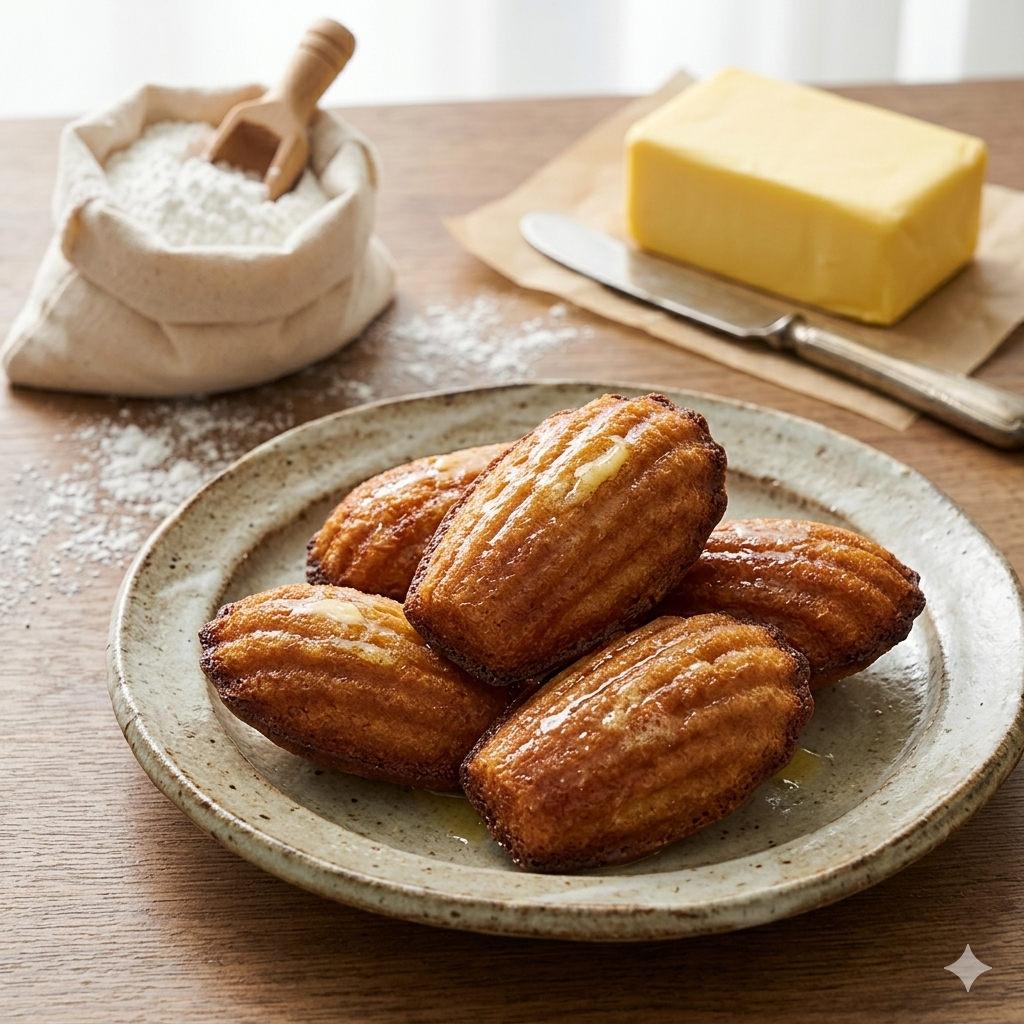
Sensing the trend early, convenience store chain 7-Eleven launched a three-item butter tteok series, including Shanghai Butter Mochi Ball. Prices were kept in the 2,000 won range so Gen Z and Alpha consumers could grab them easily near home, and preorders added a limited-edition feel. A dessert people once queued up for at cafes was suddenly repackaged as an everyday convenience store item.
People who tried butter tteok tended to rave about the contrast between its crisp shell, chewy center, and deep buttery flavor. Some reheated it again and again to chase that ideal crisp-chewy texture, while others shared home recipes across social media. The combination of butter and glutinous rice created something that felt both familiar and oddly new, and it won attention very quickly.
That kind of rapid rise and fall is now a defining feature of Korea’s dessert market. Dubai chewy cookies, frozen jelly, and spring cabbage bibimbap all became major sensations almost overnight, only to fade just as quickly. Butter tteok followed the same pattern, arriving as the next big thing and then giving way before long to whatever came next.
The name can also be misleading. Because it contains the word tteok, some people assume it belongs in the same category as traditional Korean rice cakes, but in practice it is closer to a rich baked cake made with butter and sugar. As a snack adapted from huangyou niangao, it leans far more heavily into buttery flavor than the understated taste of classic glutinous rice cakes, and its calories and texture are quite different as well. Understanding that distinction helps both Korean and international readers see the trend more clearly.
At the center of these fast-moving crazes is the combination of social media algorithms and a consumer fear of missing out. Once a new flavor starts circulating, hashtags and reviews multiply, preorder pages open, and the sense that everyone else is trying it only grows stronger. Consumers rush in so they do not feel left behind, and retailers turn that urgency into the next product launch.
Naturally, people are already wondering what the next craze will be. But there is another way to respond to these trends: instead of chasing every new release, you can simply discover the tastes you genuinely enjoy and take your time with them. In a culture that moves this quickly, personal preference can be more satisfying than keeping up.
The butter tteok boom captures one slice of how Korea’s dessert culture now works. Curiosity about new flavors, lightning-fast sharing online, and retailers ready to move on consumer response came together to create a short but intense wave. Seen from outside Korea, it also offers a glimpse of just how dynamic and restless the country’s food culture has become, always ready for the next trend.