How the data leak-triggered 'Coupang Detox' movement is reshaping shopping habits in South Korea
After a massive data leak in late 2025, a wave of 'Coupang Detox' posts made falling Coupang usage and changing shopping habits visible. This story looks at how the 'Talpang' trend is changing South Korea's e-commerce landscape amid voucher compensation and aggressive moves by rivals.
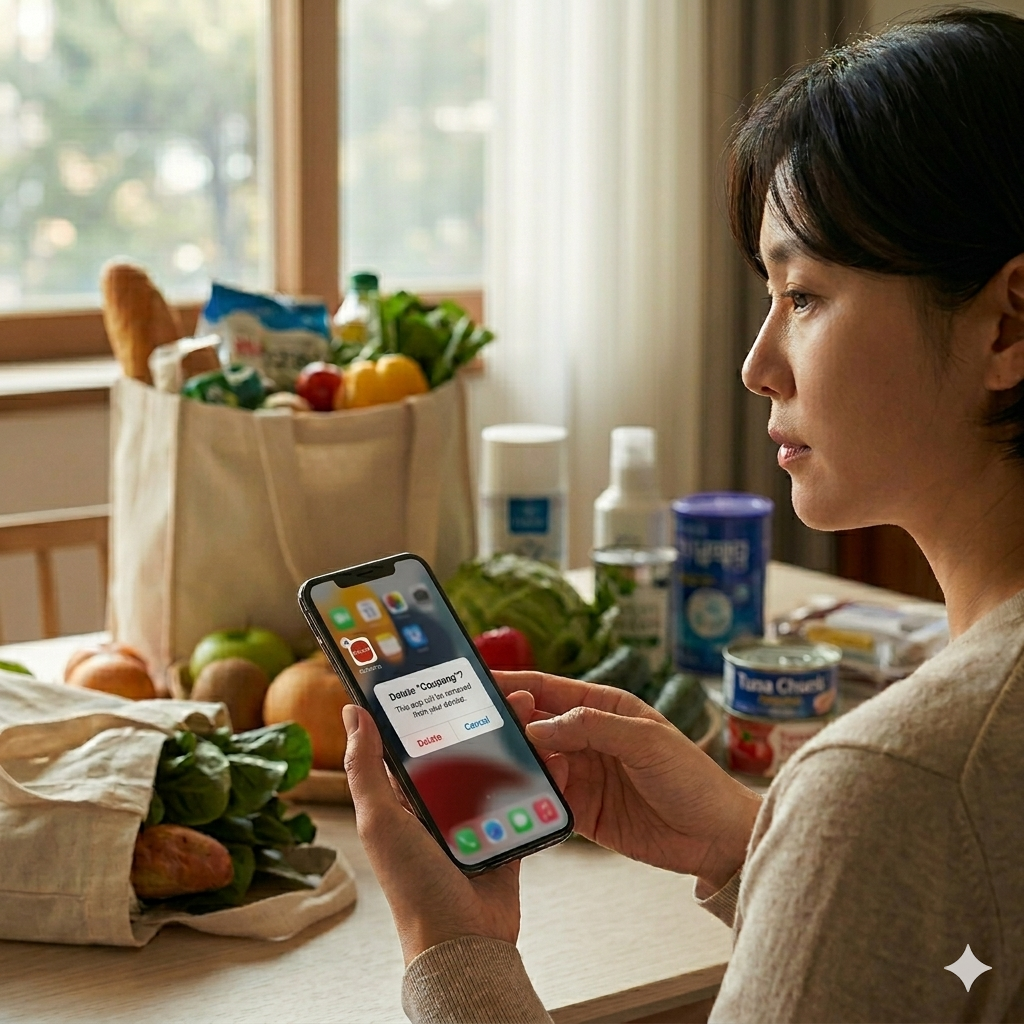
After last year’s massive personal data leak, an ordinary shopper identified only as Kim decided to begin what many in Korea now call a “Coupang Detox.” She deleted the Coupang app from the phone she had long used to order nearly every household necessity with a few taps, then posted a “Talpang” certification message online to mark her exit. Within days, she said, she had fallen into a new habit of comparing products across neighborhood stores and competing platforms. In mom cafes where people share their experiences of living without Coupang, stories about spending less and managing time differently have been piling up.
Coupang said that in late November 2025, an unidentified intrusion exposed the names, phone numbers and shipping addresses of roughly 33.7 million customers. The company then issued an apology and announced a compensation package worth 1.685 trillion won, offering 50,000-won vouchers to each of the 33.7 million affected accounts. But because those vouchers could only be used inside Coupang’s own ecosystem, the plan drew criticism from consumer groups and lawmakers. South Korea’s Ministry of Science and ICT later said the breach stemmed from management failure rather than a highly sophisticated cyberattack.
At the start of the crisis, daily user numbers briefly surged as people rushed into the app to check whether their information had been exposed. Soon after, however, daily active users dropped from as high as 17.98 million to about 16.17 million, a decline of roughly 1.81 million. According to Mobile Index, Coupang’s DAU stood at about 15.94 million as of Dec. 6, slightly below the weekly average recorded before the incident. By January 2026, its monthly active users had fallen to 33.19 million, down 3.2% from the previous month, and a February Reuters report pointed to a 3.5% decline from November.
(This image was generated with AI and may differ from reality.)
For many users leaving Coupang, the first alternatives were neighborhood supermarkets and other online grocery services. Some shoppers said the break made them realize how dependent they had become on free shipping and pre-dawn delivery, and that they had started to enjoy choosing fresh food in person again. At the same time, SSG.COM rolled out a paid membership program that gives shoppers 7% back on grocery purchases, clearly positioning itself to absorb former Coupang users. Naver also rebranded its guaranteed delivery service as “N Delivery” and strengthened quick-commerce offerings such as one-hour delivery, turning the fight for defecting customers into a full-scale contest.
The numbers suggest that this shift is more than just a mood. From Nov. 29, when Coupang disclosed the breach, through Dec. 7, SSG.COM’s daily average number of new visitors rose 120% year over year, while its average daily visitors climbed 15%. Industry data also showed that Gmarket gained more than 250,000 daily users in a single day right after the breach was announced, with Naver and 11Street also posting increases. By January 2026, Wiseapp data showed that while Coupang’s MAU had declined, Naver Plus Store’s user base had grown 10% to 7.1 million.
Coupang’s enormous compensation plan was meant to restore trust, but whether it actually worked remains unclear. Many consumers argued that a 50,000-won voucher restricted to Coupang’s own services looked less like restitution and more like a push for additional spending. Some lawmakers and civic groups went further, accusing the company of trying to turn a crisis into a business opportunity while calling for more meaningful compensation and stronger safeguards against future breaches. Coupang said it would strengthen its systems and prevent a recurrence, but winning back those who already left looks like a much harder task.
Online communities are now full of people describing what life looks like after quitting Coupang. Members of mom cafes say that they used to buy things almost automatically because the app made searching and checkout feel effortless and cheap, but that they now stop to ask whether they really need an item before buying it. One user wrote that she no longer wanted to live numbed by the familiarity and convenience of Coupang, and that she was using the moment to change her routine by visiting a wider mix of online shops and local stores. These individual stories have turned the movement into something resembling a broader digital detox from platform dependency.
The longer-term data suggests that the damage to Coupang’s position has not fully faded. Reuters reported that in January 2026, Coupang’s monthly user base was down 3.5%, while average daily consumer spending on the platform fell 6.3% to about 139.2 billion won. At the same time, the South Korean government has been considering loosening late-night business restrictions for large offline retailers, a change that could allow hypermarkets to compete more aggressively in dawn delivery. E-mart, Kurly and Naver are already expanding fast-delivery benefits and sharpening their offers, making Coupang’s once unchallenged dominance look more fragile.
The phrase “Coupang Detox” has also started circulating in foreign media and on social platforms outside Korea. In an era when privacy concerns are increasingly global, a case in which a major national platform suffered a huge leak and then saw an immediate consumer backlash naturally resonates beyond South Korea. Overseas observers are following the company’s compensation model, the government’s investigation and the public’s reaction with interest, and some read the phenomenon as a larger attempt to rethink dependence on digital platforms. Even so, it is important to remember that not every Korean shopper has left Coupang, and that the compensation took the form of restricted vouchers rather than cash.
What the Coupang Detox movement reveals, above all, is how quickly everyday routines can change after a single trust-breaking event. It has pushed consumers to reassess not only privacy, but also the spending habits that had formed around maximum convenience, while forcing rival platforms to improve their own services. Whether Coupang can rebuild trust and hold on to its customers, or whether South Korea’s e-commerce market will settle into a more competitive multi-player structure, remains to be seen. For consumers, the bigger question may be how to strike a balance between convenience and control over personal data.
Sources
- "My life changed after quitting the Coupang habit" ... Citizens embrace 'Coupang Detox'
- Users of Coupang drop by over 1.8 million after data leak: Data
- Coupang announces $1.18 billion compensation to South Korean users for data leak
- Coupang braces for increased competition amid fallout from South Korea data breach
- Coupang users drop 3.2% in January after data breach