Sleepmaxxing: How Social Media Sleep Hacks Are Fueling Korea's Sleep-Tech Boom
From mouth taping to AI mattresses, the sleepmaxxing craze is sweeping social media and driving rapid growth in Korea's sleep-tech market and sleep-product spending. It's a look at how a new generation is chasing better sleep while trying to balance science and commerce.
By the end of the day, TikTok fills up with videos of people taping their mouths, pulling on weighted blankets, and mixing melatonin drinks before bed. Under the hashtag “sleepmaxxing,” countless users are sharing sleep hacks, and some clips have gone so far as to promote dangerous neck-stretching methods using hanging straps or ropes. Within months, the trend had racked up tens of millions of views and turned into a full-blown viral format. As social media pushes the idea that you should “prepare for perfect sleep,” sleep itself is being reframed as a new self-optimization project.
Sleepmaxxing is a blend of “sleep” and “maximizing,” and it refers to any practice meant to help people fall asleep faster, sleep longer, or sleep more deeply. It is not just about going to bed early. The point is to engineer the ideal sleep environment by controlling everything from lighting and breathing to diet and bedtime routines. For younger consumers, the goal is not only better rest, but better mental health and sharper daily performance.
After the pandemic, attitudes toward health and wellness shifted around the world, and Korean Gen Z and MZ consumers began paying much more attention to sleep. The old culture of pushing through exhaustion for school or work has started to give way to a “longevity generation” mindset that treats sleep as a core part of health and emotional stability. Once that attitude met social media, sleepmaxxing accelerated fast. It became a trend almost overnight.
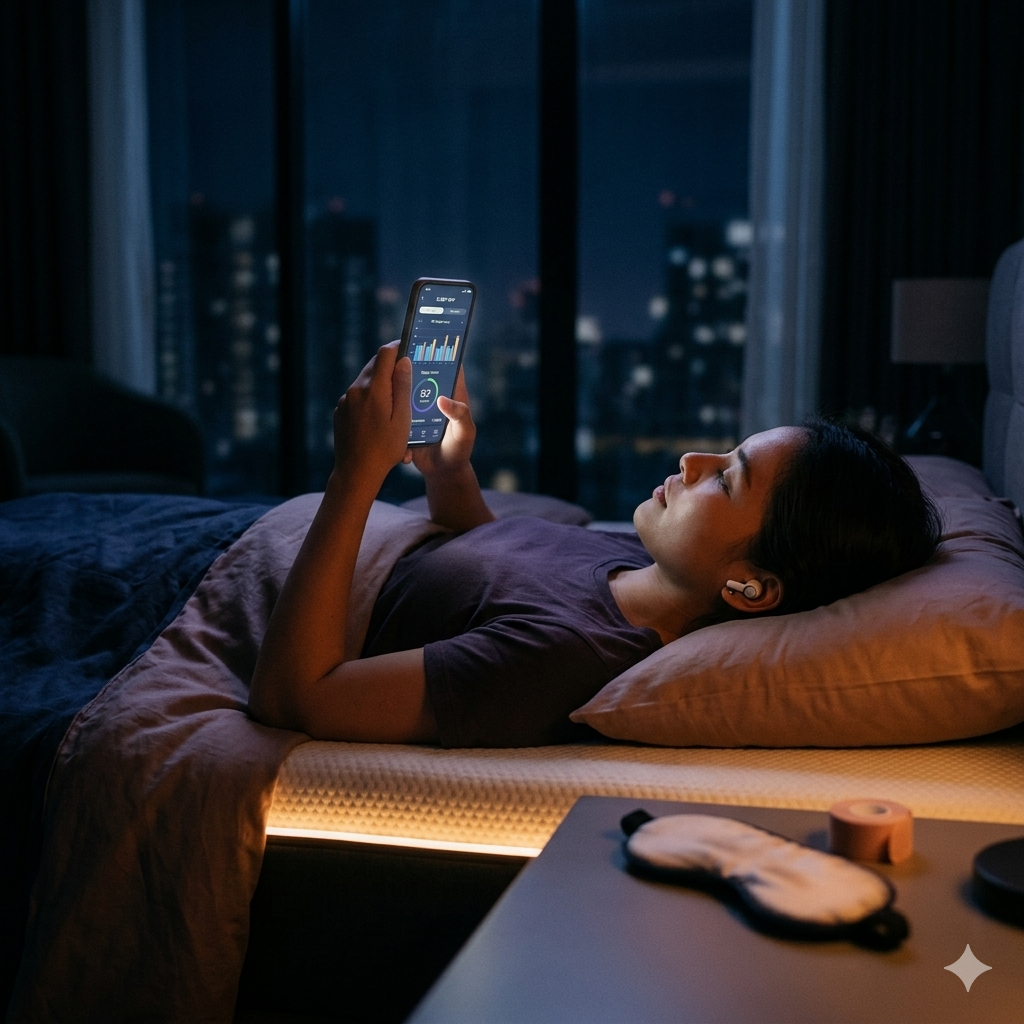
(This image was generated with AI and may differ from reality.)
On TikTok and Instagram, mouth taping, deep-red sleep drinks, weighted blankets, and all kinds of bedtime rituals are now shared millions of times, to the point that people joke sleep itself has become content. At the same time, some medically unproven movements and products have become popular enough to alarm experts. Hanging the body by the neck with straps, for example, has been linked overseas to serious injury and even death, while mouth taping can be dangerous for people with sleep apnea. Even so, the marketing language around “perfect sleep products” and “sleep optimization tips” keeps multiplying.
In Korea, the trend is clearly visible in consumer behavior. In one recent survey, 36.4% of 1,000 adults said sleep was the single most important part of health management, yet the average respondent was getting only 5 hours and 25 minutes of sleep a night. That gap is translating directly into sales. Department-store motion-bed sales have jumped by more than 83%, while Zigzag, an online fashion platform, reported that sleep-related items such as sleep masks and pajamas rose by around 2,996% compared with the start of the year. On the lifestyle platform Ably, sales of sleep masks and pillows climbed about 65%, enough to justify dedicated “better sleep” sections.
Behind that spending surge is a fast-growing sleep-tech sector. Coway has released an AI mattress that automatically adjusts air pressure based on body shape and pressure points, while LG Electronics has introduced the brainwave-sensing earbud Brid.zzz, which delivers frequencies designed to support better sleep. 10Minds has developed an AI pillow that learns snoring patterns and changes head position to help keep the airway open. Sleep products are no longer limited to beds and pillows. They are becoming connected devices linked to apps and wearables, and they now sit at the center of the sleepmaxxing ecosystem.
The trend is also drawing attention abroad. Publications such as Vogue and Healthline have framed sleepmaxxing as a new form of Gen Z wellness culture, pointing to the massive volume of TikTok posts tied to the term. Arab News highlighted more extreme examples, including mouth taping and neck-based routines, while quoting experts who warned about the risks. That international attention is feeding curiosity about Korean sleep-tech companies and products, and online communities outside Korea are starting to discuss everything from Coway mattresses to Korean sleep cafes.
Still, sleepmaxxing needs to be understood carefully. It is not the same as sleep tourism, where people travel to rest at resorts or hotels. Sleepmaxxing is a social-media-driven trend centered on optimizing sleep through personal routines, products, and tech. When the hacks are not backed by science, they can become dangerous. Sleep specialists continue to stress that the basics matter most: a steady schedule, a good sleep environment, and less pressure around “perfect” rest. The bigger risk is turning sleep into something people feel they have to buy their way into.
In the end, the sleepmaxxing boom shows how quickly Korea’s sleep-tech industry and consumer culture are evolving, while also exposing the tension between wellness marketing and evidence-based care. Better tools and more personalized products may improve rest, but healthy sleep still begins with consistent habits and realistic expectations. Sleepmaxxing may serve as a new guide for people trying to sleep better, but it only works when science and self-awareness are allowed to lead the way.
Sources